- Global market outlook by region: EU, NA, APAC and ROW
- Global market outlook by type and end use
- Key trends, drivers and challenges
- Latest innovatons and case studies
- Where next for moulded fbre?
Sharon Tong | Consulting Analyst, Smithers
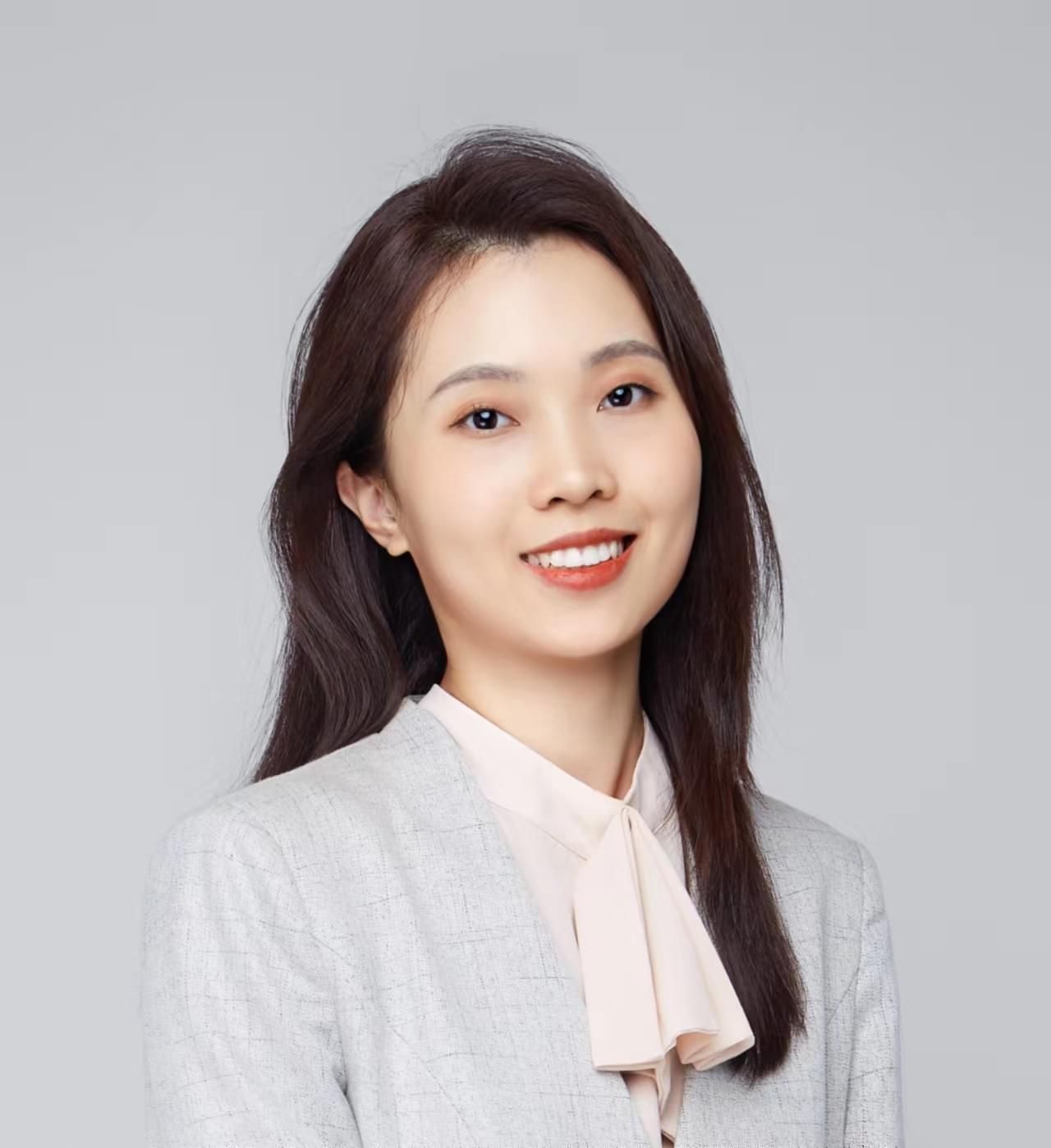

Sharon was graduated from New York University with her Master’s degree in Management and Systems. She also holds a Bachelor’s degree in Finance from the Ohio State University, Fisher College of Business. Sharon studied in the U.S. for ten years and had several working experiences there.
As a consulting analyst based in Suzhou China, Sharon is responsible for both quantitative and qualitative research for consulting projects and cooperated with the team members in other regions to better proceed and complete the project. Sharon has experience in desk research, data analysis, expert interview, and project management. Advanced methodology and model she learned from business school and experience will add value to the current project in Smithers.
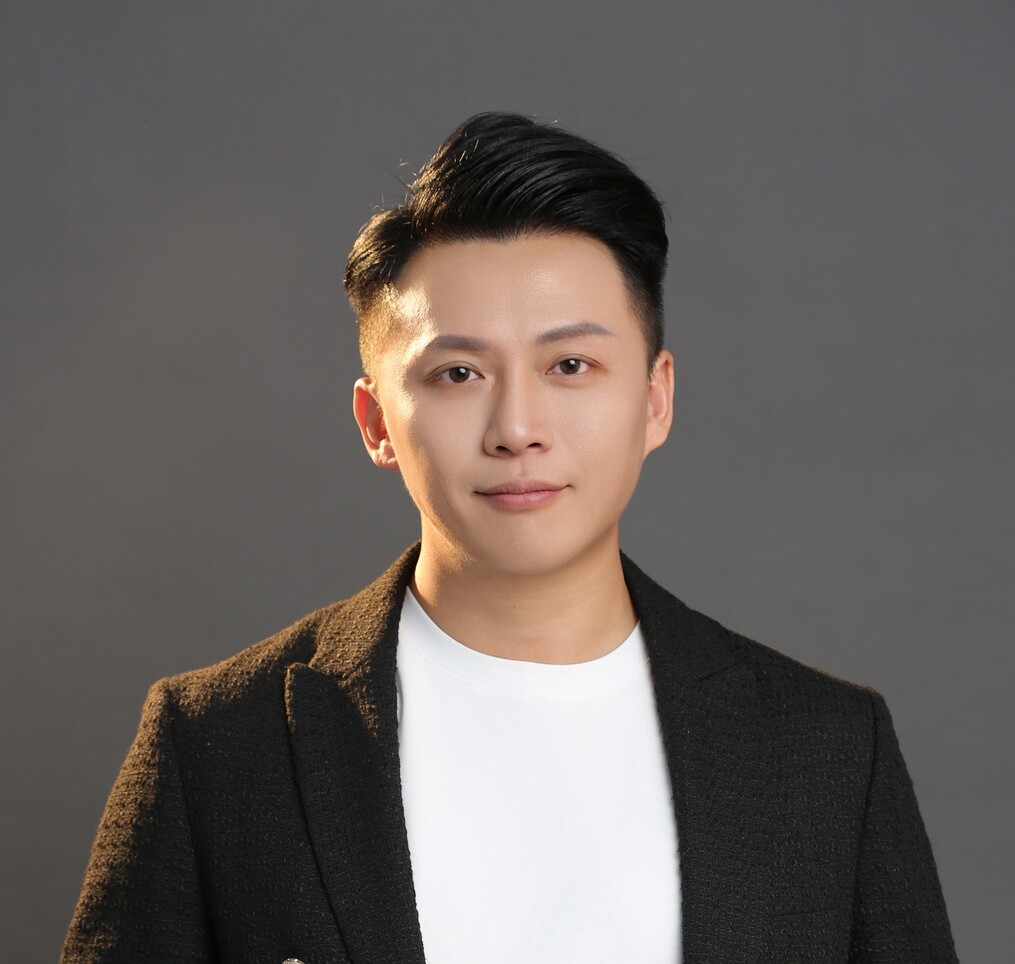

Mr. Chris Lo is a visionary entrepreneur and a recognized global leader in sustainable packaging solutions. His distinguished professional journey began in the traditional foam packaging industry, where he gained deep insights into industrial manufacturing. Recognizing early on the critical shifts in global environmental regulations and consumer demands, a strategic foresight into long-term sustainability led him to pivot away from traditional synthetics to explore the then-untapped potential of molded fiber and paper pulp technologies. Driven by this environmental mission, he founded TAW Holdings Ltd. in 2008, successfully guiding its evolution from a specialized startup into an international benchmark for eco-friendly manufacturing. Today, under his strategic leadership, TAW specializes in state-of-the-art molded fiber technology. The company offers a comprehensive range of highly engineered, eco-friendly, food-grade, and heavy-duty industrial packaging solutions. To support a diverse and demanding international clientele, Chris has built a robust global business network, establishing corporate headquarters in Hong Kong and China, alongside key regional branch offices in the United Kingdom, Australia, and Germany.
Eric Gu advises domestic and foreign clients on the requirements and regulations for a variety of consumer products, including foods, food additives, food packaging materials, drugs, cosmetics, medical devices, and associated labeling, with a focus on China, Japan, Korea, Thailand, and other Asian countries.
Prior to joining Keller and Heckman, Mr. Gu worked as an attorney in law firms in Shanghai and New York and acquired deep understanding of both China and U.S. laws and practice. While attending the University of Wisconsin Law School, Mr. Gu participated in the Thomas Tang National Moot Court Competition and served as an IRS-certified volunteer for assistance in federal individual income tax filing.
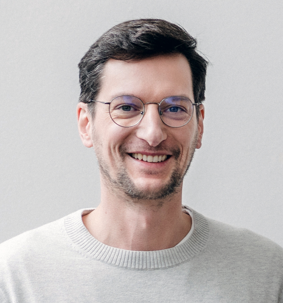

Felix Gass is the Founder and Managing Director of PSL, a consulting studio based in Berlin, Germany, specialising in PPWR implementation and sustainable packaging strategy. He advises brands, retailers and packaging manufacturers internationally on how packaging regulation affects their products, material choices, and business priorities. Before founding PSL, Felix spent 11 years in packaging R&D at Procter & Gamble, with assignments in Germany and China. His work connects regulatory requirements with packaging development, and the practical decisions companies face when supplying the European market.


Joined Nomura Securities Co., Ltd. in 2002. Joined Nippon Mold Industry Corporation in 2005. Appointed Director in 2013, leading logistics optimization, production efficiency improvement, and overseas business expansion. Appointed Managing Director of E.Molding International (Thailand) in 2016. Became Senior Managing Director in 2017, and has served as President & CEO since 2023.


Benicio Yang is a Senior Principal Packaging Engineer at Dell Technologies, with over 23 years of Packaging related experiences in the IT industry. He specializes in developing packaging solutions that optimize cost, performance, and sustainability. His experience shows that when sustainable packaging is designed correctly, with the right supply chain, then costs can be at parity or less. As a creative leader on Dell’s Packaging Engineering team, Benicio was at the forefront of introducing eco-friendly, game-changing materials developed through advanced design tools. These innovative packaging solutions offer lower cost and better performance that delights customers and makes a healthier planet.


Dr. Jörg Zacharias completed his studies in food science in 1997 and earned his doctorate at the Technical University of Munich in Weihenstephan, where he continues to lecture. In 2005, he joined Krones AG in research and development, where he plays a key role in developing pioneering technologies. He is an expert in beverage technology and is involved in industry associations such as the EBC, EHEDG, and ISBT.
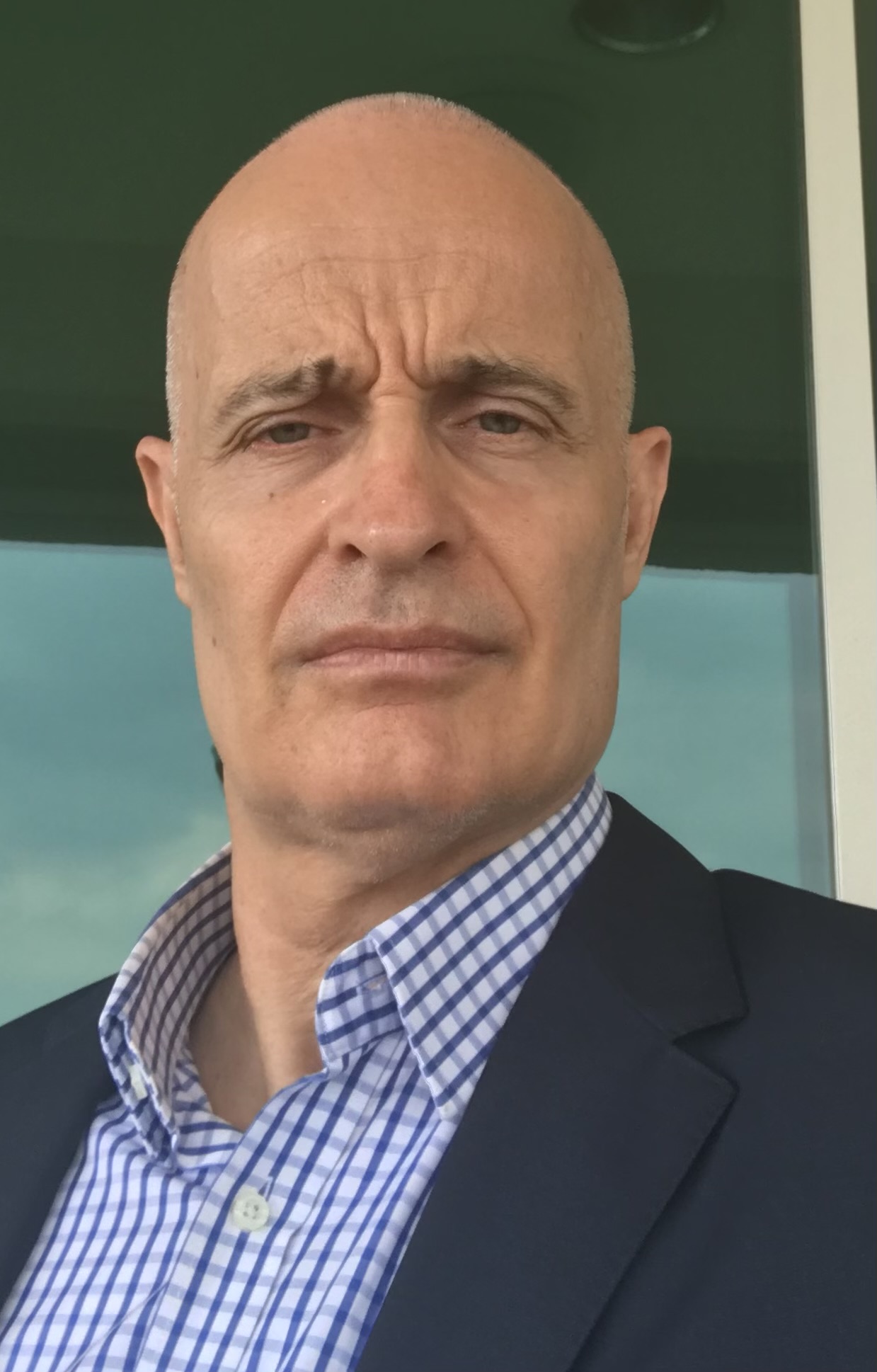
Cyril Coumans is product director of Packaging & Coatings for Archroma in Asia. He has 30+ years of experience in sales, production, business development and product management in
three different continents. One of his current key focus areas is on providing green and sustainable solutions to packaging companies. Cyril has a Master’s degree in chemical engineering and is living and working in Asia since 2001, stationed in Jakarta, Indonesia. Outside of work keeping tropical fish and cycling keep him busy.
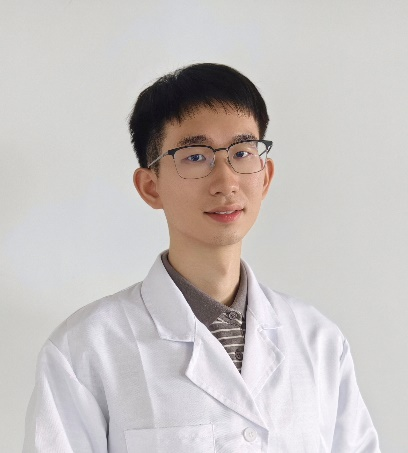

Ling Hao holds a Ph.D. in Biomass Science and Engineering from South China University of Technology and currently serves as General Manager of Guangzhou Shuhe Technology Co., Ltd. He has extensive expertise in the field of biomass-based materials, leading the research, development, and commercialization of key technologies such as bio-based water- and oil-resistant coatings and high-barrier materials. He has participated in multiple national key research and development programs.
Dr. Ling has published numerous SCI-indexed papers and holds several invention patents. He has received prestigious industry awards, including the First Prize for Technological Advancement. With extensive experience spanning both laboratory research and industrial-scale commercialization, he has successfully led teams in delivering multiple innovative projects and has played a pivotal role in advancing the commercial application of sustainable and environmentally friendly packaging materials.


Director unit of environmental protection paper industry innovation aliance Member of China Professional Committee of Household Paper Technical Committee of CSTM Bio-based Chemic Materials
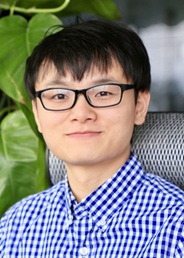

Jin Xilin (Bill) is the Founder and CEO of Guangdong Lvran Intelligent Equipment, a company pioneering intelligent automation for the pulp molding industry. With a unique dual background in mechanical engineering and software development from the University of British Columbia, Canada, he previously served as an AI software engineer at Japan's TDK Corporation, developing vision inspection systems for semiconductor chips.
Building on this expertise, Jin founded Lvran to tackle industry challenges through automation. Under his leadership, the company produces high-end equipment, such as laminating machine and AI inspection machine, designed to significantly reduce manual dependency and enhance quality control in post-processing.
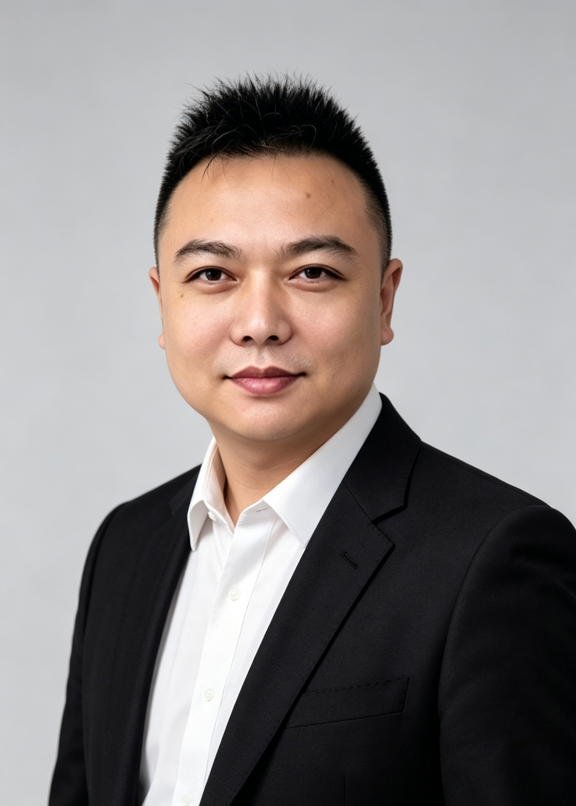

Jacky Wang, Senior Chief Packaging Director of LvLuo EnvironmentaTechnology, boasts 10 years of R&D experience in molded pulp foodpackaging.As the innovation lead of the packaging team, he developsdegradable fiber packaging for special scenarios and optimizesmaterials, structures and crafts to deliver customized eco-packagingsolutions for food factories, aviation, supermarkets and prepared foodsectors. The company has launched high temperature oil-prooflaminatings, barrier films and antibacterial materials to tackle leakage.barrier and compliance challenges. High-performance molded pulppackaging replaces single-use plastics, facilitating brands’low-carbonand sustainable development.


Suhan is a CEng and CSci chartered material scientist with experience in formulation design, material characterisation and process optimisation. She has 12 years of working experience in developing innovative and sustainable materials and technologies for companies in FMCG, healthcare and food industry. As the barrier lead, Suhan looks after the overall barrier development work in PA’s Dry Moulded Fibre initiative. Suhan holds a degree in Chemical Engineering from the University of Cambridge.
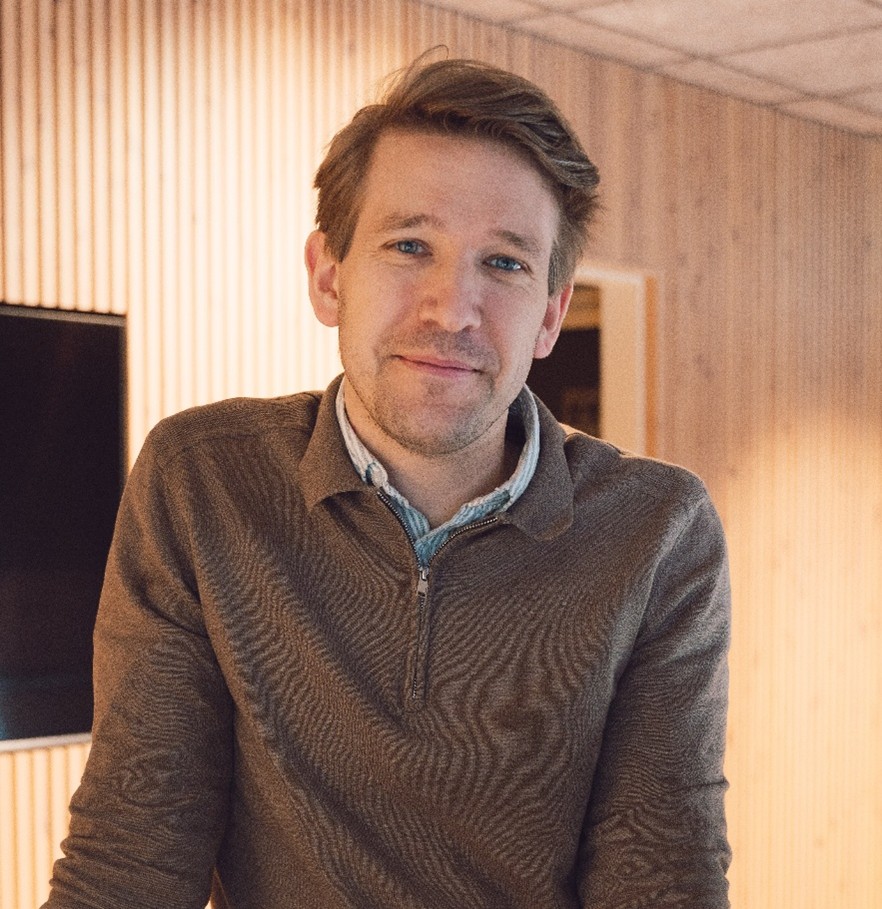

Viktor holds a master’s degree in business design & entrepreneurship and has a background in business development and strategy. With a passion for enabling a sustainable shift in the packaging industry, Viktor leads PulPacs’ strategy and operations to support our customers and partners to make the switch to Dry Molded Fiber. DMF is a groundbreaking technology that makes fiber-based products a competitive and viable alternative to single use plastic.
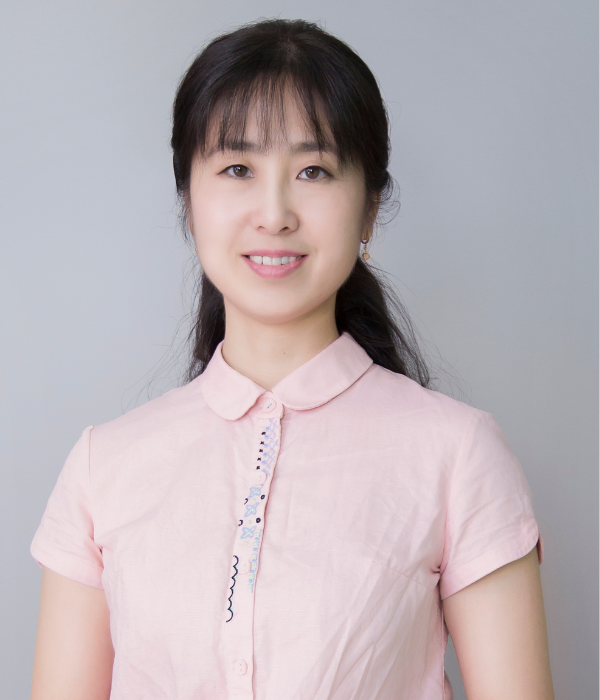
Sun Hao, holds a PhD in Biological Resources from Mie University, Japan, serves as an associate professor of packaging engineering and the head of the Biomass Packaging Materials and Technology team at Jiangnan University. She specializes in biomass materials science, packaging materials and structures, as well as new technologies for comprehensive utilization of packaging and urban solid waste resources. She has been conducting independent research and expansion in the fields of circular economy and sustainable development, aiming to support the dual carbon goals and the construction of a waste-free city.


Kyler Lovgren is the Chief Executive Officer of Palouse Fiber Packaging, a U.S.-based molded fiber packaging company focused on sustainable packaging solutions using agricultural residues and alternative fiber sources. With extensive experience in non-wood pulping, fiber operations, and industrial scale-up, Kyler has become a recognized voice in the development of next-generation molded fiber packaging and alternative fiber supply chains.
Over the past decade, Kyler has held executive and operational leadership roles within one of North America’s pioneering wheat straw pulping initiatives, helping lead the transition from pilot-scale development to commercial manufacturing. Through that work, he gained firsthand experience navigating the technical, operational, agricultural, and economic realities of scaling non-wood fiber systems.
Today, his work focuses on rethinking how fiber is sourced and utilized within the packaging industry, with an emphasis on agricultural residues, regional feedstocks, and scalable alternatives to traditional wood pulp. Combining practical operating experience with strategic industry insight, Kyler works at the intersection of sustainable materials, packaging innovation, and industrial infrastructure development.
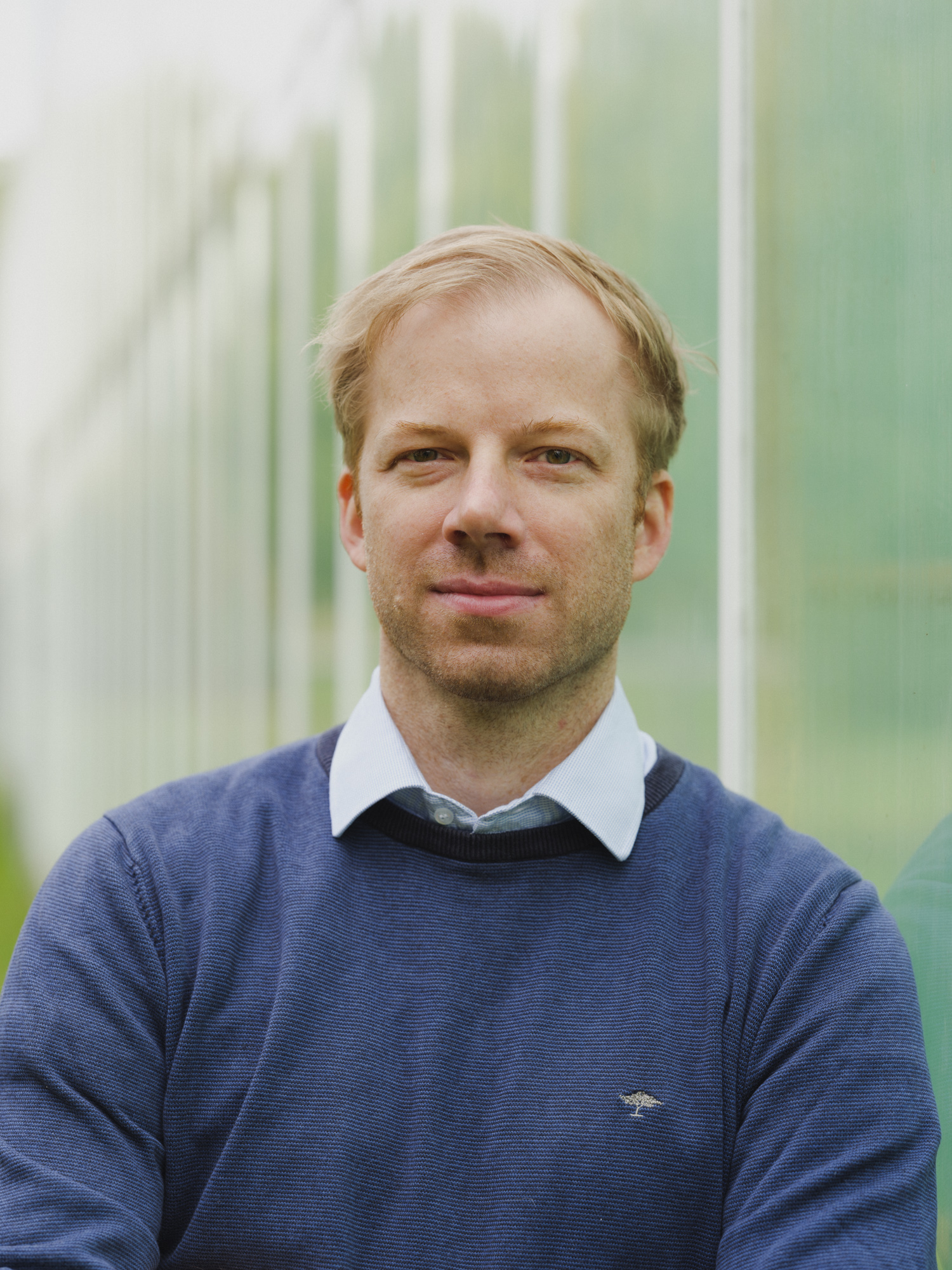

Dr. Siegfried Fürtauer is the Team Lead for Packaging Development at one.five. Backed by a PhD and a strong foundational background in material chemistry from the University of Vienna, Siegfried has spent over a decade translating complex scientific innovations into scalable industrial applications. His previous experience includes serving as a Scientist and Group Leader at the Fraunhofer Institute for Process Engineering and Packaging (IVV), where he spearheaded R&D projects focused on biopolymers, circular economy strategies, and advanced barrier properties. He subsequently transitioned to the manufacturing sector as the Head of Packaging Development at Zentis, directing the commercial scaling of sustainable packaging solutions. At one.five, he leverages this dual expertise in applied research and industrial production to de-risk and accelerate the transition to next-generation, high-performance circular packaging.